
Rethinking Vogue in the Age of Algorithms
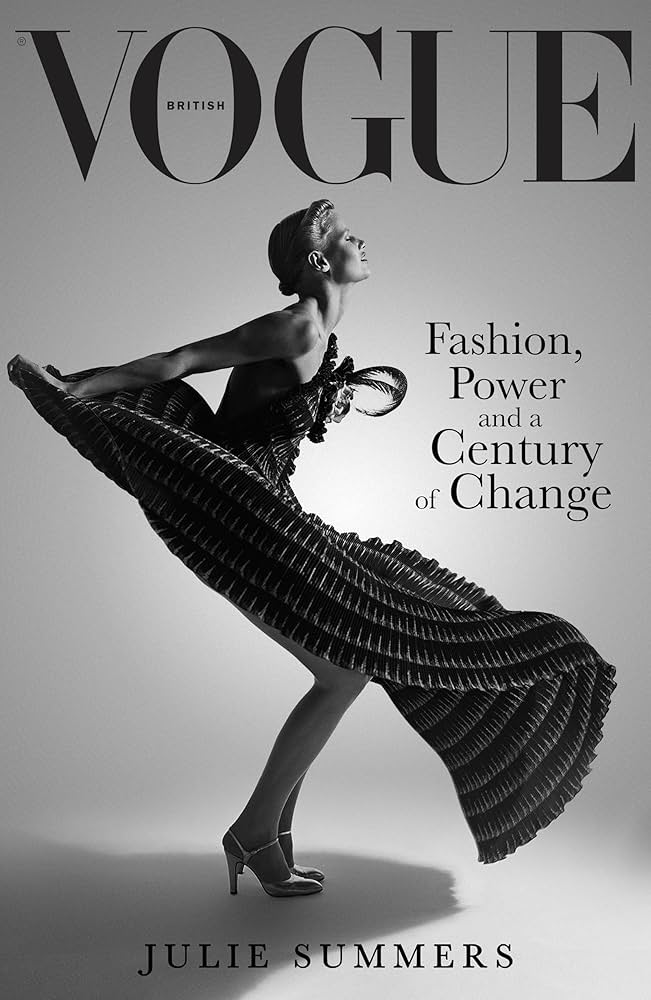
Core Question
Who controls taste today??and what role does a legacy platform like Vogue play in a world shaped by algorithms, creators, and constant content?
Context / Observation
For decades, Vogue operated as a cultural gatekeeper. It didn’t just reflect fashion, it defined it. Through curated editorials, limited access, and a strong editorial voice, it shaped what was considered relevant, aspirational, and “in taste.”
Today, that structure no longer exists.
Platforms like Instagram and TikTok have transformed fashion into a decentralized, always-on system. Trends emerge from creators, communities, and algorithms simultaneously. Everyone participates, and everyone has an opinion.
At the same time, the volume of content has created a new problem:
We have access to everything, but clarity about nothing.
Tension
This creates a fundamental tension:
If everyone can shape culture → who do we trust?
If everything is visible → what actually matters?
If identity is performed for algorithms → what is authentic?
Vogue was once a carrier of information.
Now, it exists in a world where information is infinite.
Key Insight
Cultural authority has not disappeared, it has fragmented.
The role of platforms like Vogue is no longer to decide what is in trend, but to help people navigate, interpret, and trust what already exists.
At the same time, audiences no longer seek validation they seek:
clarity
context
credibility
Cultural Insight
People are increasingly aware of performance culture
Influencers operate between real identity and algorithm-driven behavior
Content is optimized for visibility, not meaning
Trends move too fast to hold cultural depth
This creates a gap:
What people consume vs what they believe
Strategic Reframe
The question is not:
“How should Vogue rebrand itself?”
But:
“What does authority look like in a system where no one fully controls culture?”
Opportunity Direction
Vogue’s role can evolve from:
Old Role | Emerging Role |
|---|---|
Gatekeeper of taste | Interpreter of culture |
Trend setter | Cultural cartographer |
Curated authority | Trusted filter |
Exclusive voice | Contextual voice |
Conceptual Direction
Some potential directions emerging from this reframing:
From editorials → lived culture
(spending time with creators, not just featuring them)From declaring trends → evaluating authenticity
(helping audiences understand what is real vs performative)From content volume → curated clarity
(less, but more meaningful interpretation)From passive media → active cultural participation
(engaging with what is happening, not just presenting it)
Critical Reflection
There is also a deeper contradiction:
If Vogue aims to act as a cultural authority or “cartographer,” it must confront its own historical limitations particularly around representation, bias, and accessibility.
Authority today is not just about taste, it is about trust and inclusivity.
Closing Thought
Legacy platforms don’t lose relevance because culture changes.
They lose relevance when they fail to redefine their role within it