
Seashels
1 Year 2024
This project examines why a technologically ambitious fashion platform struggled to convert engagement into sales. By analyzing customer behavior across digital and physical environments, it identifies a misalignment between audience intent, luxury purchasing psychology, and growth strategy. The case reframes the problem from a lack of innovation to a failure of trust and experience design.
Product–Market Diagnosis
Experience Strategy
Core Question
How might a luxury fashion platform scale digitally without losing the trust, intimacy, and cultural meaning that drive high-value purchases?
Methods:
Methods:
Methods:
Behavioral observation, stakeholder mapping, and market comparison.
Strategic principles:
Strategic principles:
Strategic principles:
Design for intent over reach, and treat trust as a primary product requirement in luxury commerce.
Case Study Overview
Case Study Overview
Context & Problem
Context & Problem
My Role & Work
Field Observation
Strategic Diagnosis
Strategic Reframing
Strategic Principles
Reflection
Reflection
Context
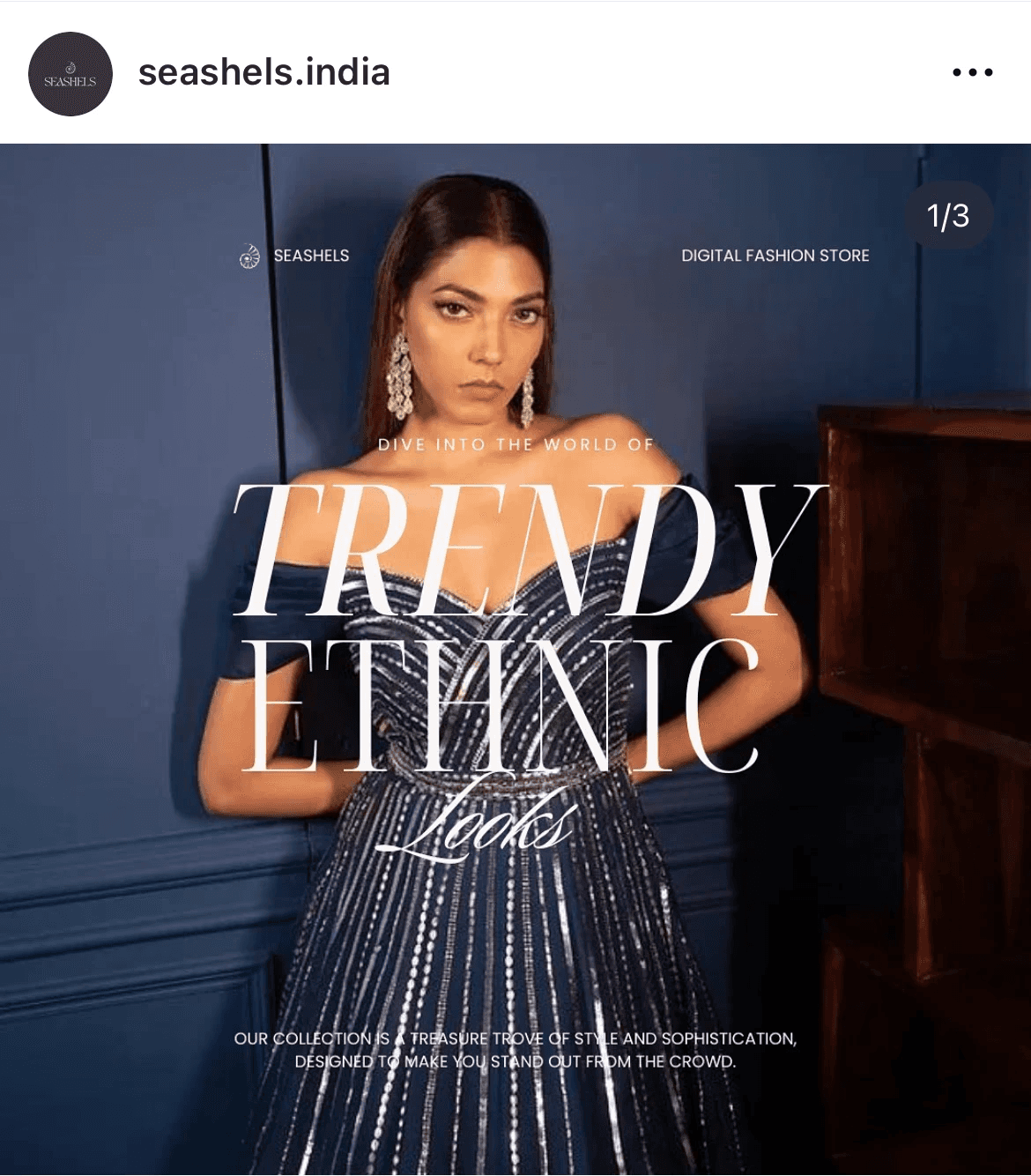
Seashels was conceived as a next-generation fashion commerce platform designed to help Indian designers transition from offline retail into a digital ecosystem. The platform combined social commerce, content marketing, and proprietary technology to support boutiques in expanding their reach beyond physical stores.
Its ambition was ambitious and culturally relevant: to take Indian fashion from offline retail → digital platforms → social commerce → eventually immersive or metaverse-based experiences.
The founders believed that technology could unlock new global audiences for Indian designers while maintaining strong brand identity and margins.
However, despite sophisticated technological infrastructure and continuous marketing activity, the platform struggled to generate meaningful online sales—especially for high-ticket bridal products such as lehengas, which often ranged between ₹60,000 and ₹200,000 or more.
This discrepancy raised a fundamental question:
If the products were valuable and the technology was advanced, why were customers not buying?
If the products were valuable and the technology was advanced, why were customers not buying?
My Role
My Role
I joined Seashels as Creative Head during the company’s early stage, when team roles were fluid and experimentation was constant.
While my formal responsibility involved overseeing creative direction and content strategy, the realities of a startup environment meant contributing across multiple areas, including:
I joined Seashels as Creative Head during the company’s early stage, when team roles were fluid and experimentation was constant.
While my formal responsibility involved overseeing creative direction and content strategy, the realities of a startup environment meant contributing across multiple areas, including:
UI/UX refinement of the platform interface Product feature ideation and development Content and storytelling strategy for fashion brands Influencer and social media campaigns Growth experimentation and marketing initiatives
This proximity to both product development and market engagement provided a unique vantage point to observe how strategic assumptions translated into real user behavior.
Over time, it became increasingly clear that the platform’s challenges were not purely operational—they were structural.
This proximity to both product development and market engagement provided a unique vantage point to observe how strategic assumptions translated into real user behavior.
Over time, it became increasingly clear that the platform’s challenges were not purely operational—they were structural.
The grid Before
The grid Before
The structured Grid: After
The structured Grid: After
The Pop-Up Store
The Pop-Up Store
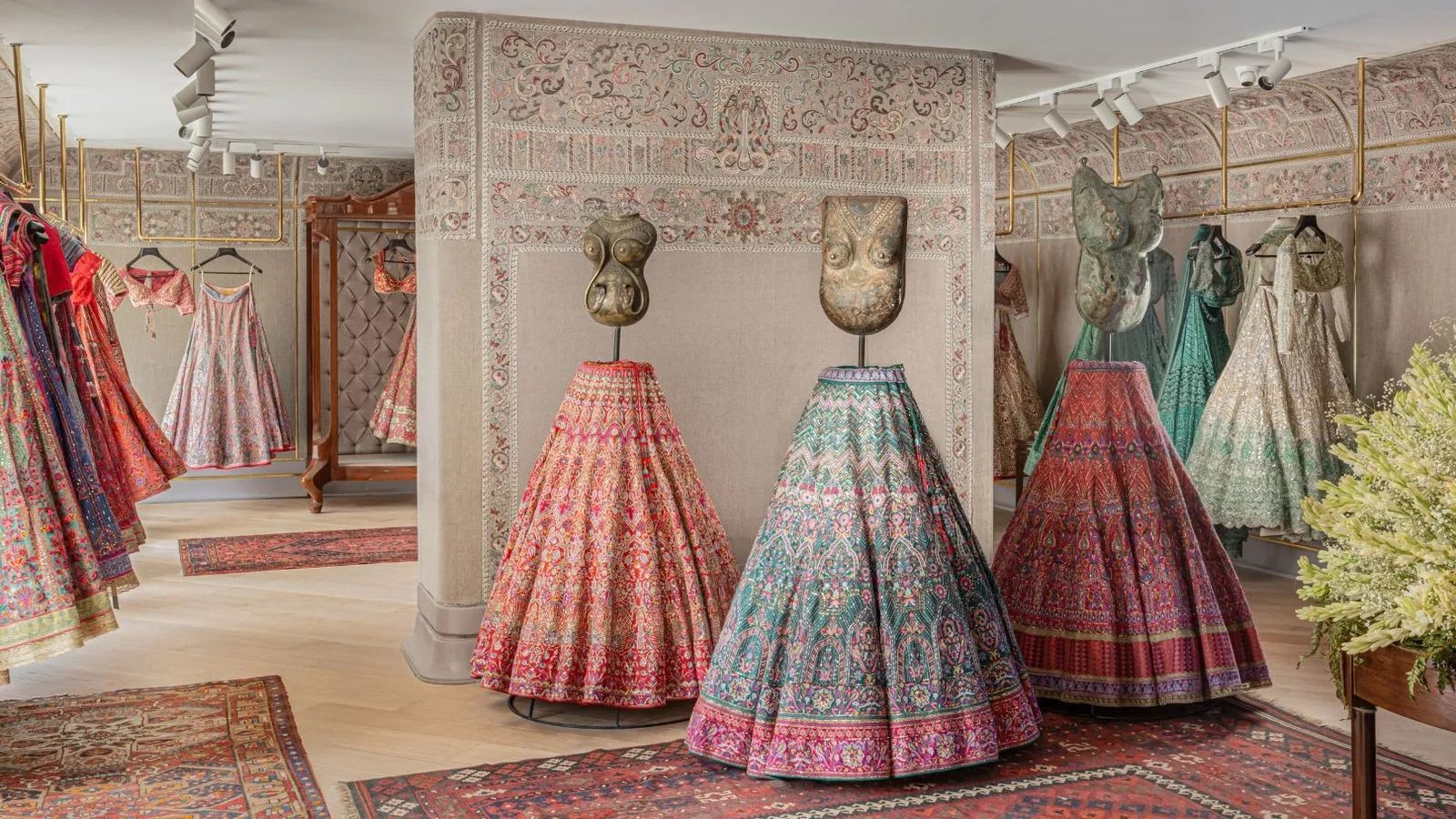
During my time at Seashels, the company hosted a pop-up store at a flea market in a wealthy neighborhood specializing in traditional Indian wedding wear. This setting created an opportunity to observe customers interacting with the same products that were struggling to sell online.
The contrast was striking.
In the physical environment
Customers engaged deeply with products
Conversations with designers and stylists were lengthy and thoughtful
Buyers asked detailed questions about craftsmanship and materials
Purchase decisions happened with visible emotional investment
In the physical environment
Customers engaged deeply with products
Conversations with designers and stylists were lengthy and thoughtful
Buyers asked detailed questions about craftsmanship and materials
Purchase decisions happened with visible emotional investment
Online, however, the story was very different.
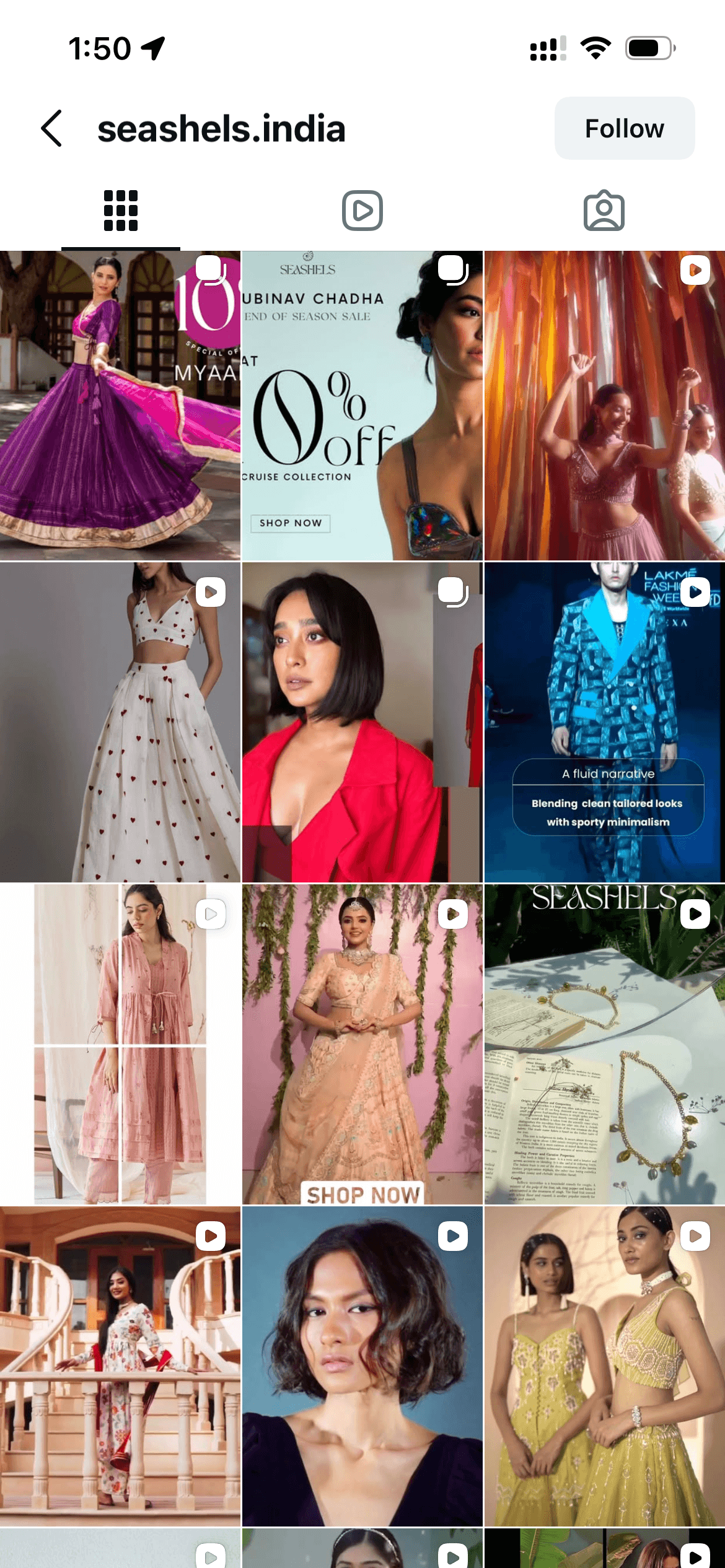
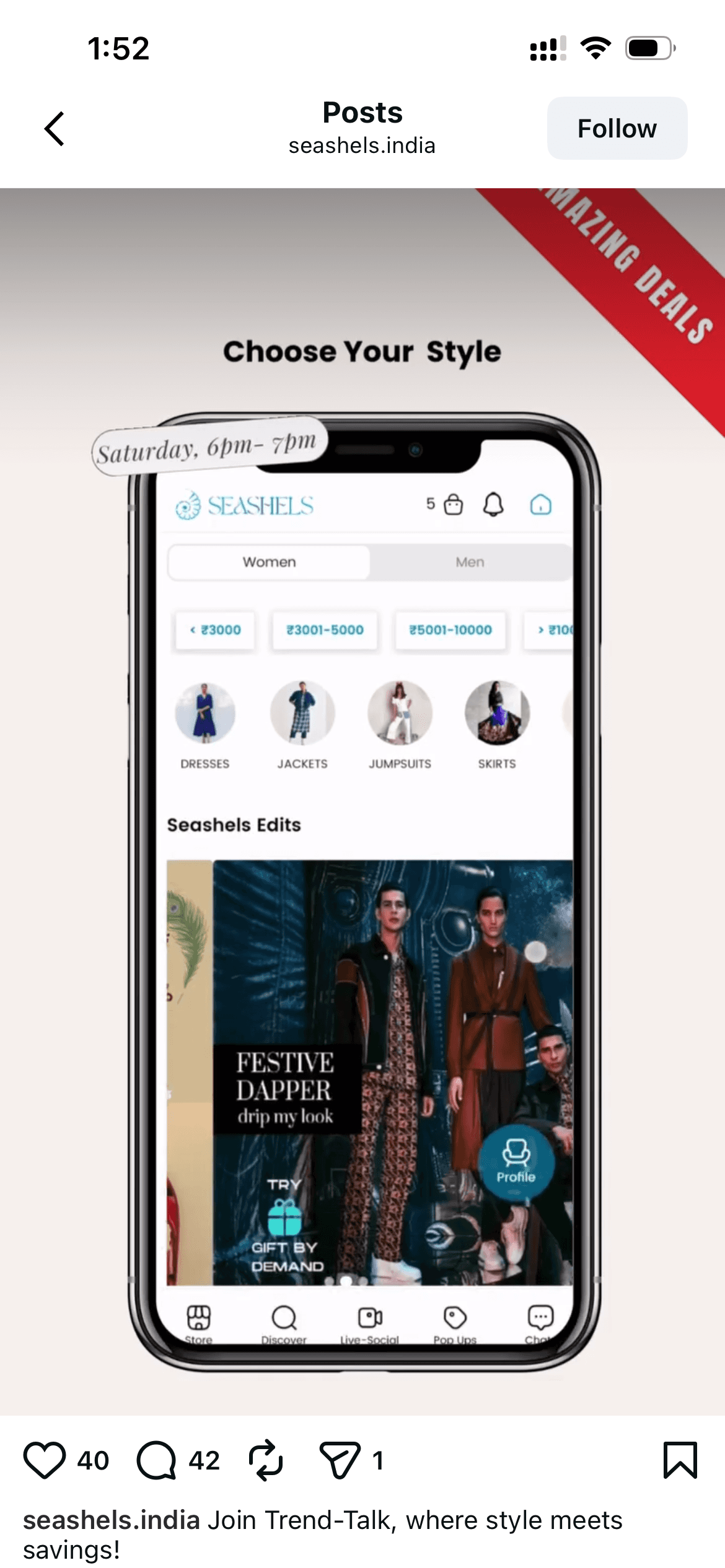
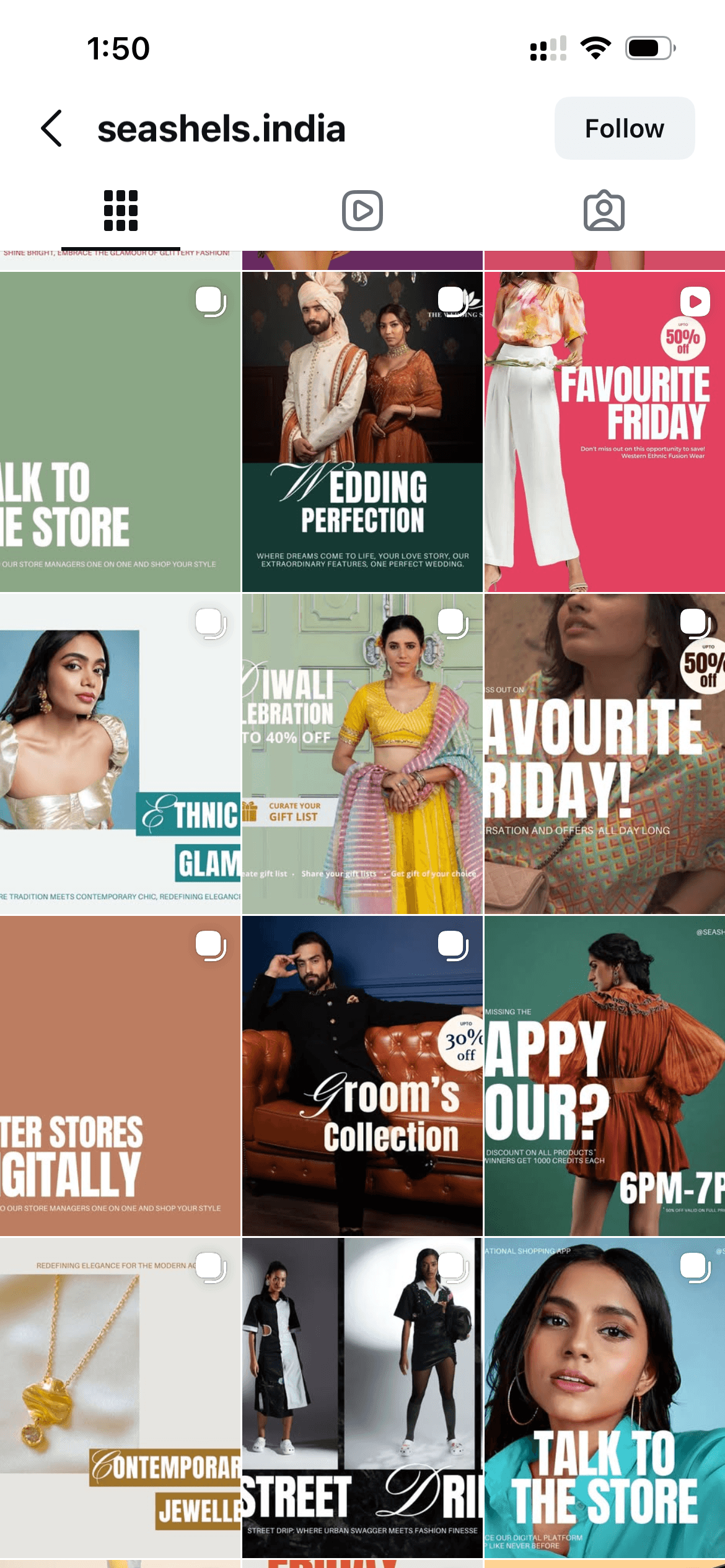
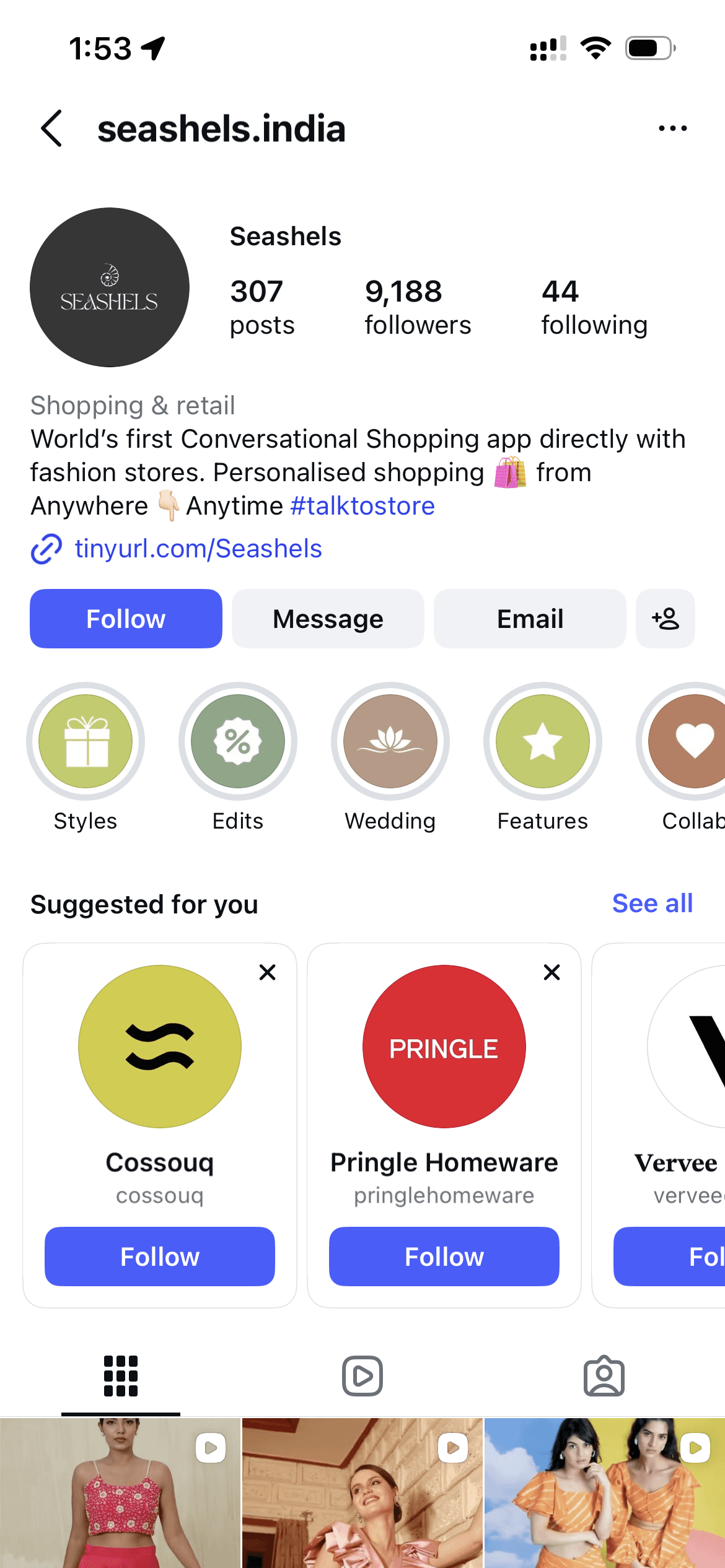
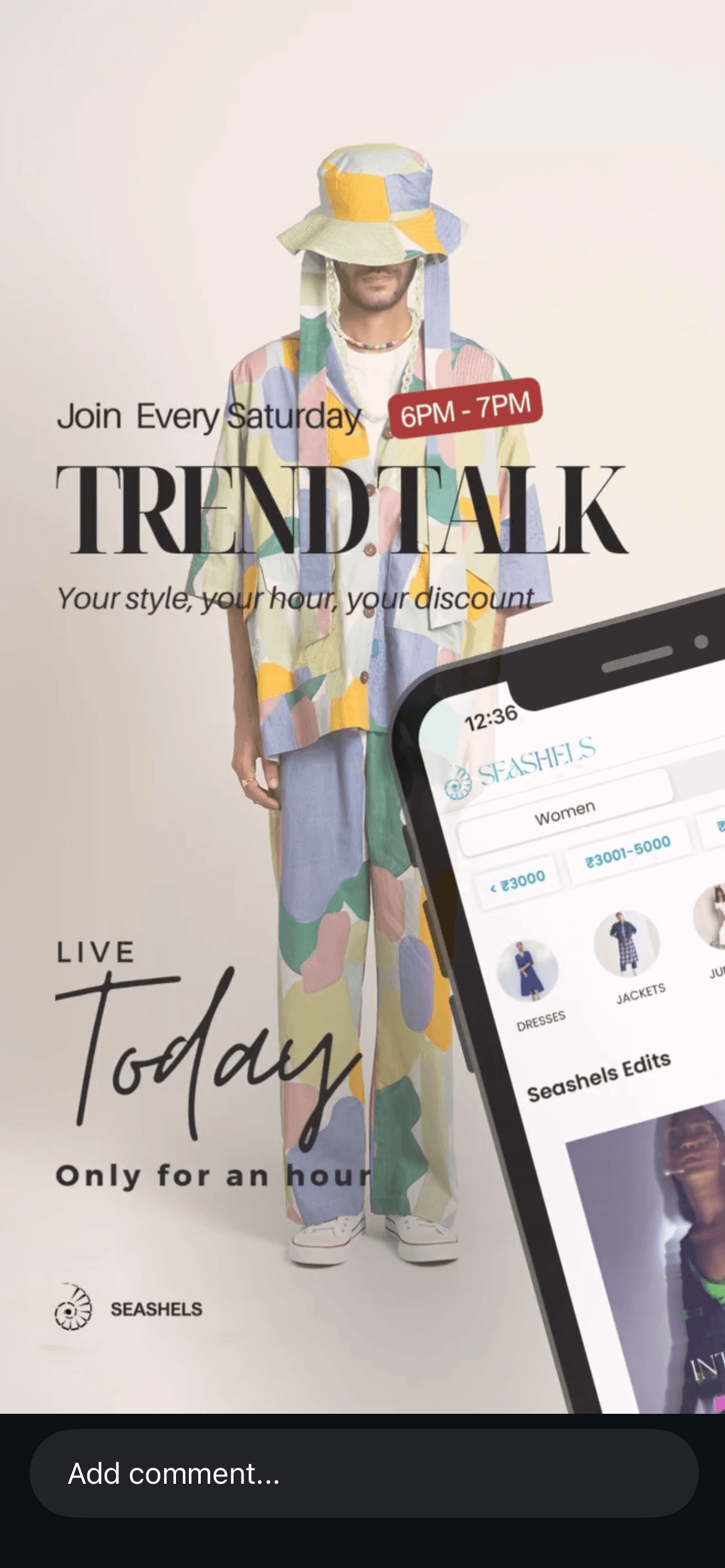
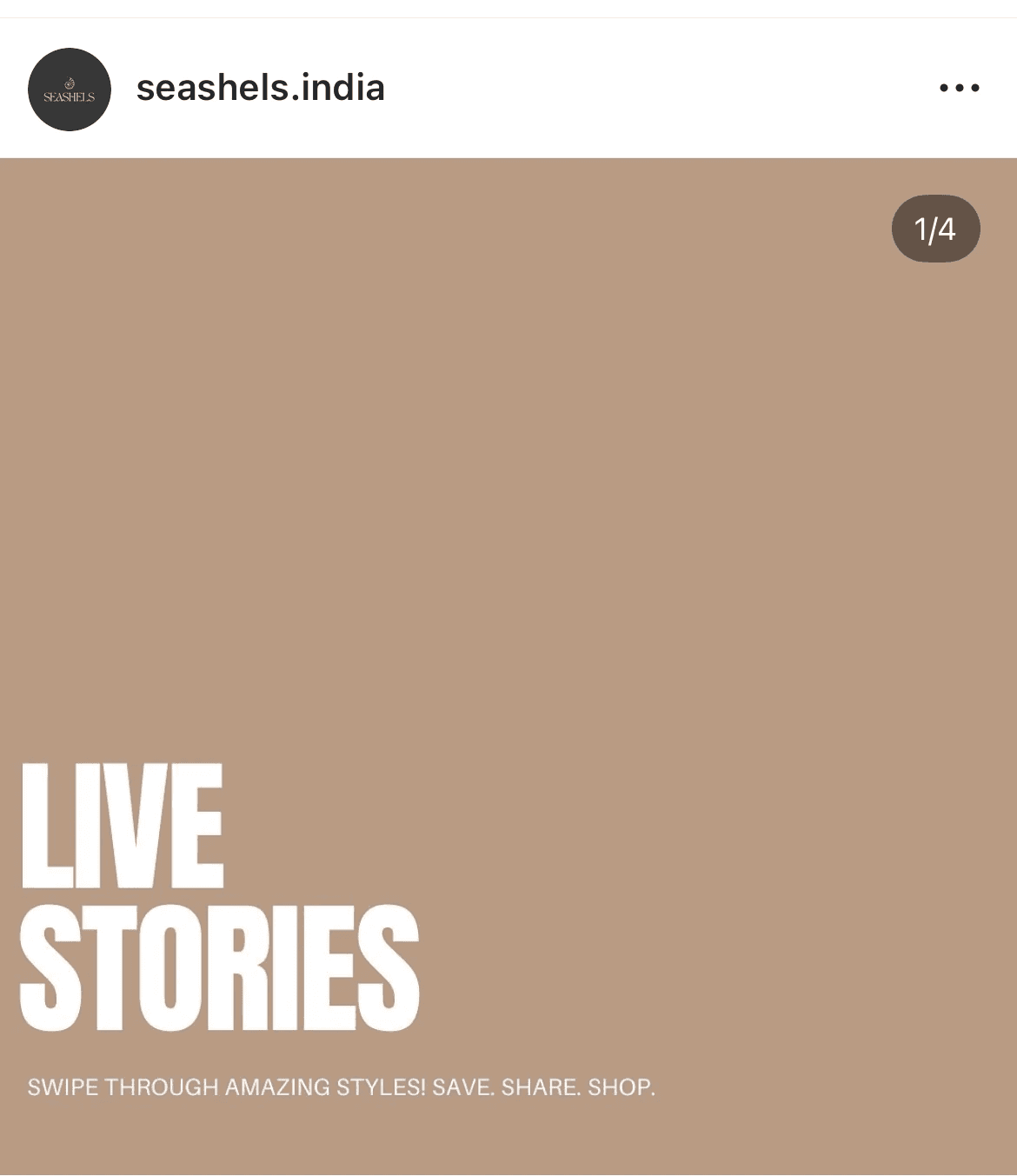
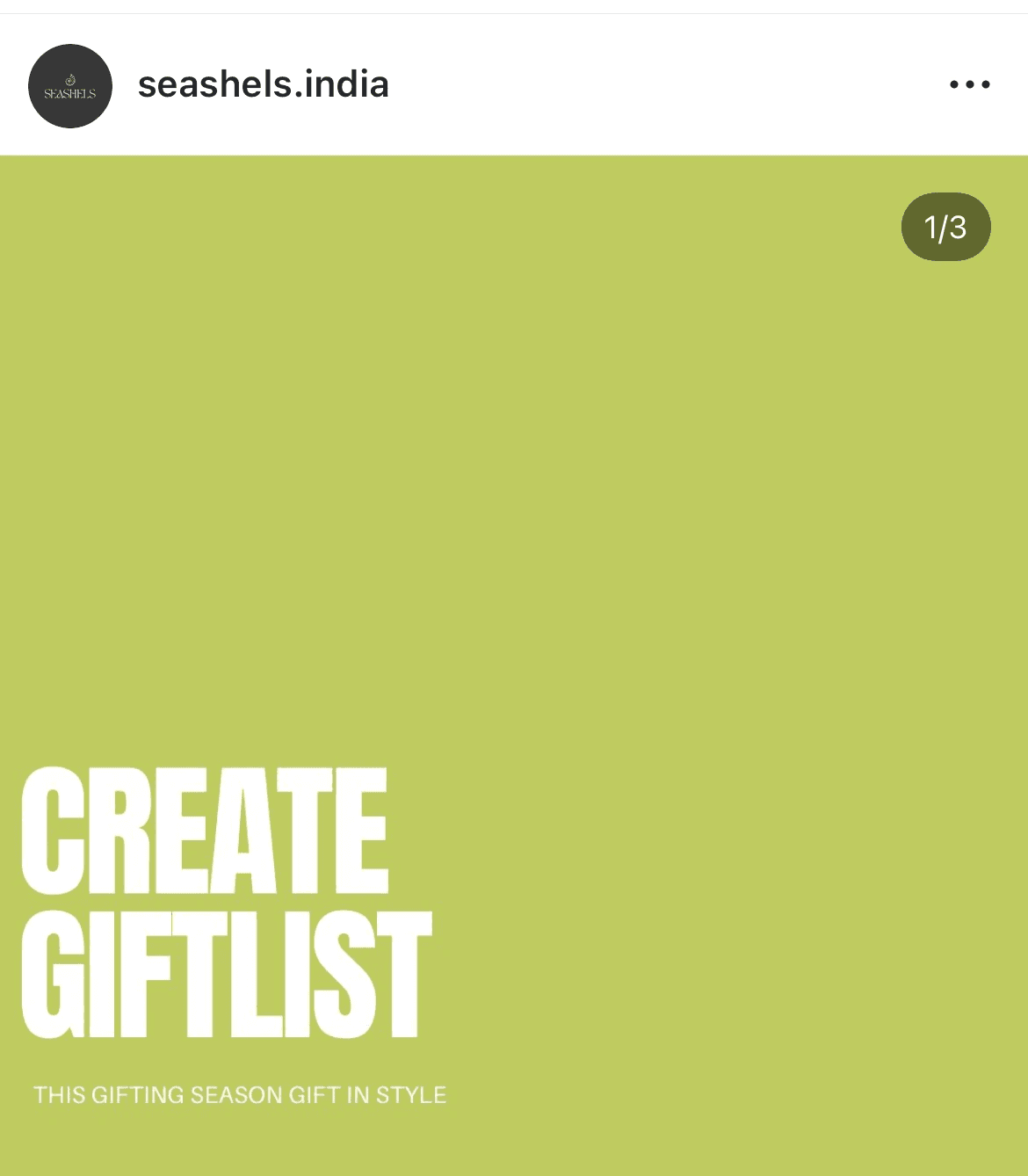
Despite regular promotional campaigns—such as “Happy Hour Wednesday,” “Friendly Friday,” and “Shop Saturday” sales remained extremely limited.
The promotions created bursts of attention but did not translate into purchase decisions.
This discrepancy suggested that the issue was not demand, but context.
Field Observation





The platform attempted to scale before establishing clarity about its audience and experience.
The platform attempted to scale before establishing clarity about its audience and experience.
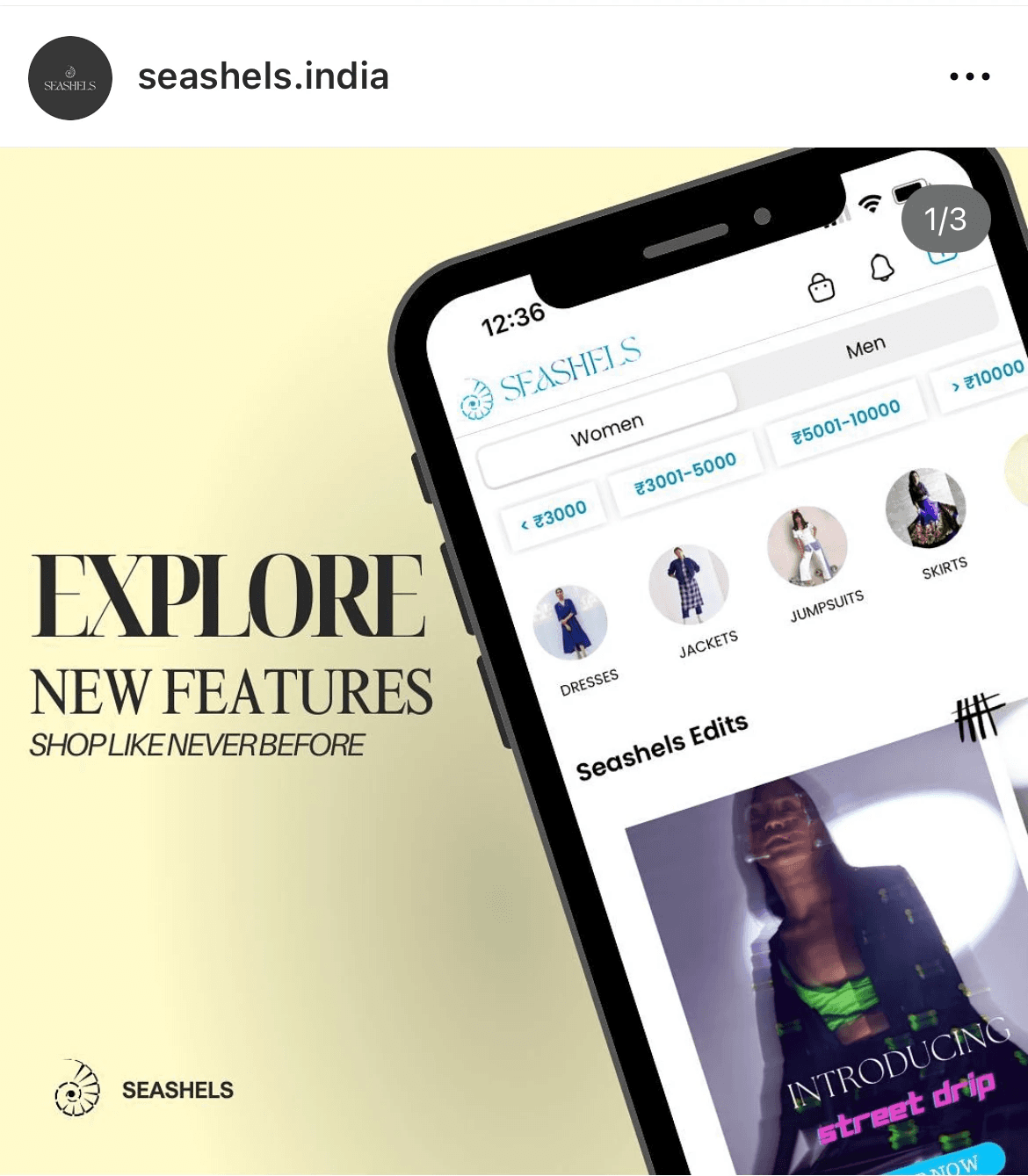
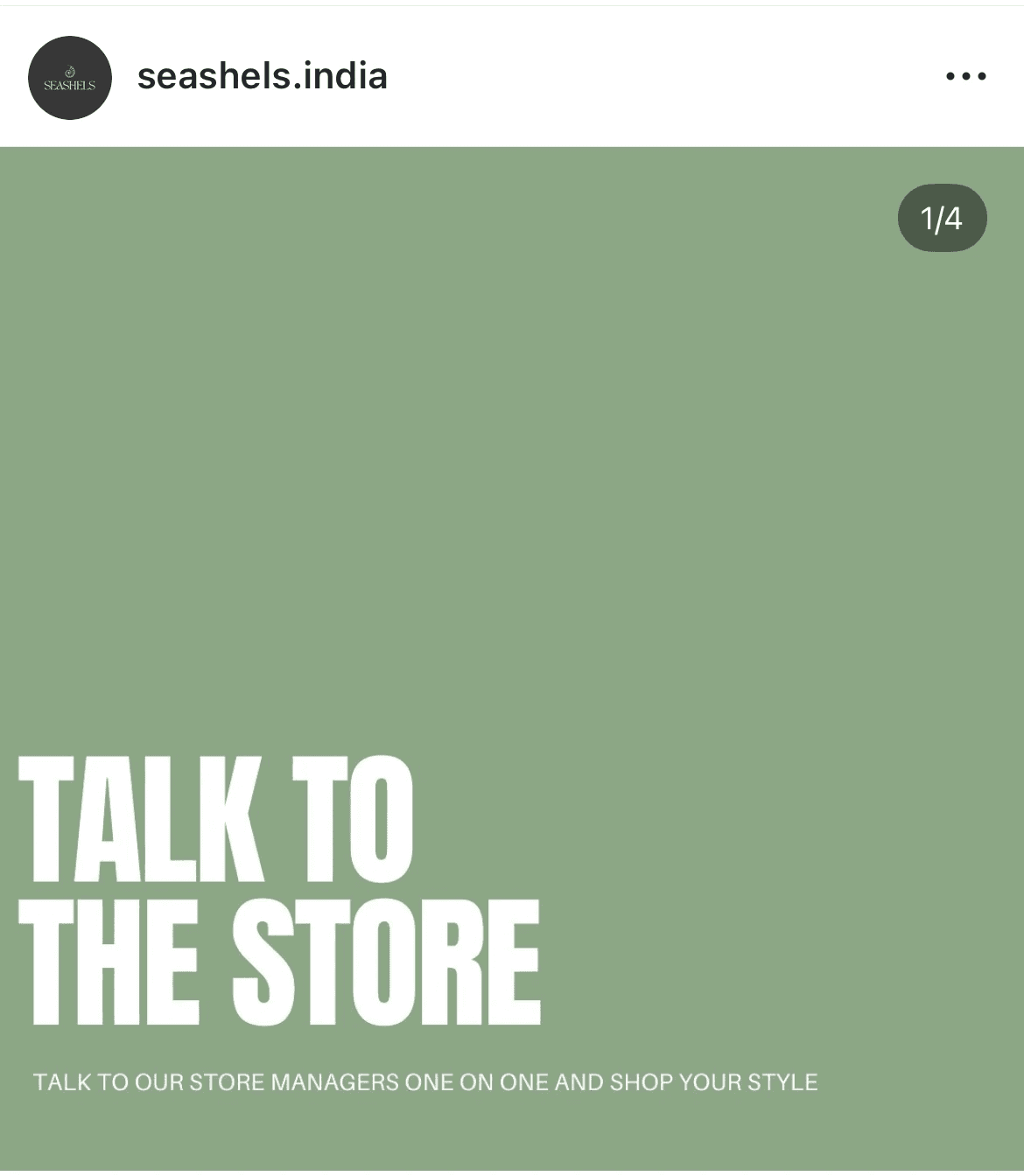
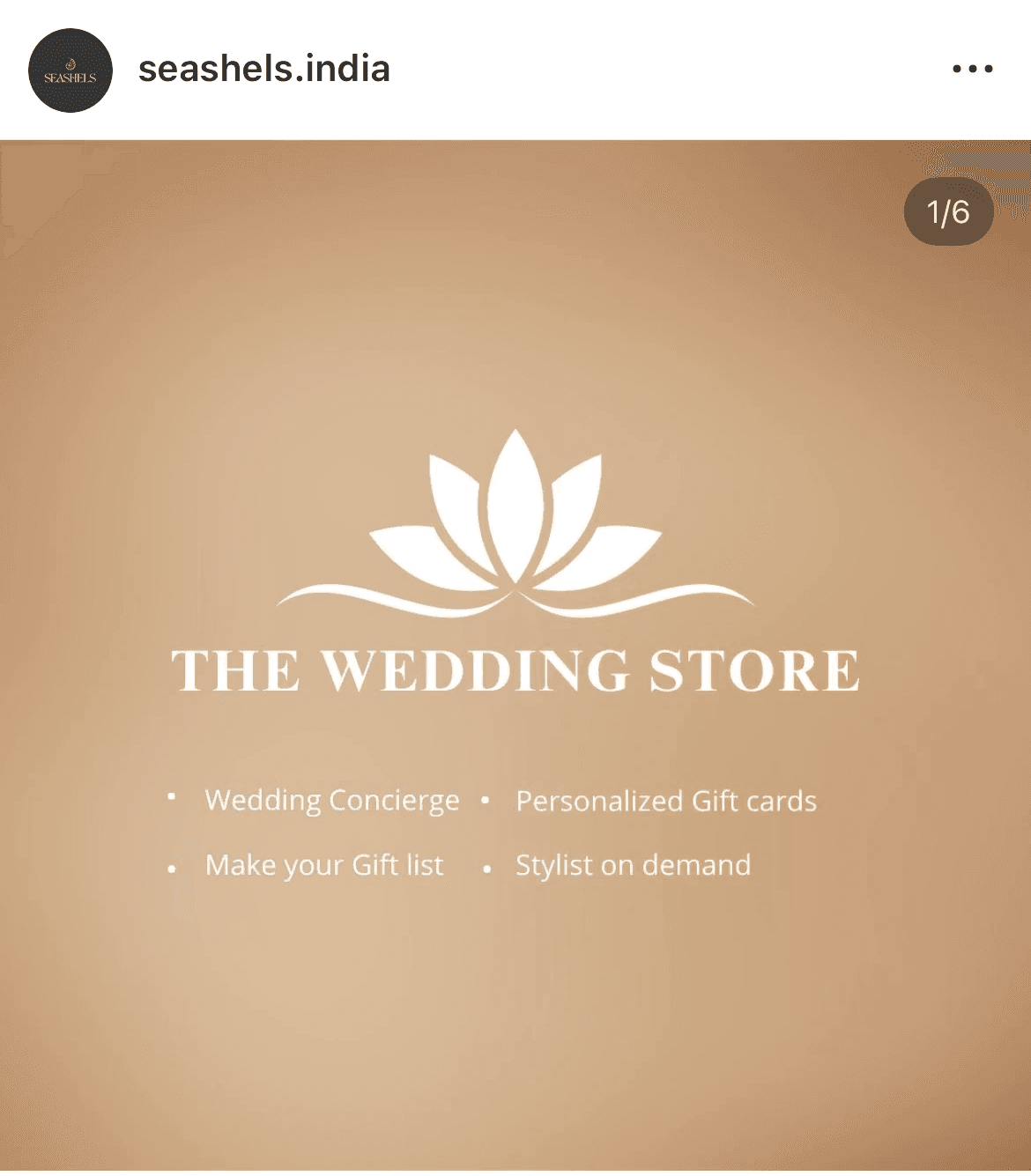
Technology features—such as video consultations and conversational commerce—were directionally promising but introduced without a coherent strategy around trust and brand positioning.
As a result, Seashels communicated innovation without successfully communicating reliability or authority.
In luxury fashion, those signals are essential.
Without them, growth initiatives amplified misalignment rather than solving it.
Strategic Diagnosis
The opportunity was not simply to improve marketing tactics but to reconsider the platform’s role within the bridal purchasing journey. Instead of positioning itself primarily as a technology marketplace, Seashels could have evolved into a
Experience-led digital concierge for couture fashion.
In the physical environment
Targeting smaller but higher-intent audiences
Prioritizing trust signals and storytelling over promotional campaigns
Designing guided purchase journeys rather than open marketplaces
Building authority through designer narratives and craft documentation
Growth in this context would come from depth of engagement rather than breadth of reach.
Strategic Reframing
Strategic Principles
Several design principles emerged from this analysis:
To deepen Gen Z community-driven engagement, Spotify can expand beyond the screen into immersive and hybrid experiences:
Design for intent, not reach.
Luxury platforms benefit more from smaller, relevant audiences than from large, disengaged ones.
Treat trust as a product feature.
Signals of authenticity, expertise, and care must be intentionally designed into the experience.
Scale experience before scaling audience.
Expanding reach without a compelling experience only magnifies existing weaknesses.
Use promotions as reinforcement, not correction.
Discounts should support value perception, not compensate for missing trust.
Reflection
This project reshaped my understanding of how design strategy operates in complex systems.
What initially appeared to be a growth problem revealed itself as a deeper misalignment between audience behavior, brand perception, and product experience.
Working within the ambiguity of an early-stage startup reinforced the importance of stepping back from tactical execution to identify structural patterns.
In luxury and culturally significant markets, technology can amplify value—but only when trust and meaning are already firmly established.
This project reshaped my understanding of how design strategy operates in complex systems.
What initially appeared to be a growth problem revealed itself as a deeper misalignment between audience behavior, brand perception, and product experience.
Working within the ambiguity of an early-stage startup reinforced the importance of stepping back from tactical execution to identify structural patterns.
In luxury and culturally significant markets, technology can amplify value—but only when trust and meaning are already firmly established.
Get in Touch
Interested in collaborating or connecting? Always happy to talk design, fashion, tech, or startups—ideally over coffee or matcha.


Get in Touch
Interested in collaborating or connecting? Always happy to talk design, fashion, tech, or startups—ideally over coffee or matcha.
Get in Touch
Interested in collaborating or connecting? Always happy to talk design, fashion, tech, or startups—ideally over coffee or matcha.
Seashels
1 Year 2024
This project examines why a technologically ambitious fashion platform struggled to convert engagement into sales. By analyzing customer behavior across digital and physical environments, it identifies a misalignment between audience intent, luxury purchasing psychology, and growth strategy. The case reframes the problem from a lack of innovation to a failure of trust and experience design.
Product–Market Diagnosis
Experience Strategy
Seashels
1 Year 2024
This project examines why a technologically ambitious fashion platform struggled to convert engagement into sales. By analyzing customer behavior across digital and physical environments, it identifies a misalignment between audience intent, luxury purchasing psychology, and growth strategy. The case reframes the problem from a lack of innovation to a failure of trust and experience design.
Product–Market Diagnosis
Experience Strategy
Seashels was conceived as a next-generation fashion commerce platform designed to help Indian designers transition from offline retail into a digital ecosystem. The platform combined social commerce, content marketing, and proprietary technology to support boutiques in expanding their reach beyond physical stores.
Its ambition was ambitious and culturally relevant: to take Indian fashion from offline retail → digital platforms → social commerce → eventually immersive or metaverse-based experiences.
The founders believed that technology could unlock new global audiences for Indian designers while maintaining strong brand identity and margins.
However, despite sophisticated technological infrastructure and continuous marketing activity, the platform struggled to generate meaningful online sales—especially for high-ticket bridal products such as lehengas, which often ranged between ₹60,000 and ₹200,000 or more.
This discrepancy raised a fundamental question:
If the products were valuable and the technology was advanced, why were customers not buying?
Seashels was conceived as a next-generation fashion commerce platform designed to help Indian designers transition from offline retail into a digital ecosystem. The platform combined social commerce, content marketing, and proprietary technology to support boutiques in expanding their reach beyond physical stores.
Its ambition was ambitious and culturally relevant: to take Indian fashion from offline retail → digital platforms → social commerce → eventually immersive or metaverse-based experiences.
The founders believed that technology could unlock new global audiences for Indian designers while maintaining strong brand identity and margins.
However, despite sophisticated technological infrastructure and continuous marketing activity, the platform struggled to generate meaningful online sales—especially for high-ticket bridal products such as lehengas, which often ranged between ₹60,000 and ₹200,000 or more.
This discrepancy raised a fundamental question:
If the products were valuable and the technology was advanced, why were customers not buying?
The Pop-Up Store
During my time at Seashels, the company hosted a pop-up store at a flea market in a wealthy neighborhood specializing in traditional Indian wedding wear. This setting created an opportunity to observe customers interacting with the same products that were struggling to sell online.
The contrast was striking.
In the physical environment
Customers engaged deeply with products
Conversations with designers and stylists were lengthy and thoughtful
Buyers asked detailed questions about craftsmanship and materials
Purchase decisions happened with visible emotional investment
Online, however, the story was very different.
Despite regular promotional campaigns—such as “Happy Hour Wednesday,” “Friendly Friday,” and “Shop Saturday” sales remained extremely limited.
The promotions created bursts of attention but did not translate into purchase decisions.
This discrepancy suggested that the issue was not demand, but context.
Field Observation
The platform attempted to scale before establishing clarity about its audience and experience.
Technology features—such as video consultations and conversational commerce—were directionally promising but introduced without a coherent strategy around trust and brand positioning.
As a result, Seashels communicated innovation without successfully communicating reliability or authority.
In luxury fashion, those signals are essential.
Without them, growth initiatives amplified misalignment rather than solving it.
Strategic Reframing
The opportunity was not simply to improve marketing tactics but to reconsider the platform’s role within the bridal purchasing journey. Instead of positioning itself primarily as a technology marketplace, Seashels could have evolved into a
Experience-led digital concierge for couture fashion.
In the physical environment
Targeting smaller but higher-intent audiences
Prioritizing trust signals and storytelling over promotional campaigns
Designing guided purchase journeys rather than open marketplaces
Building authority through designer narratives and craft documentation